
The Importance of Art in Interior Design: A Thoughtful Insight By Rachel Elliott, Lio Projects founder.
As interior designers, we spend countless hours refining layouts, selecting materials, and layering texture. But there’s one element that truly transforms a house into a personal home: art.
Art isn’t the finishing touch. It isn’t filler for an empty wall. It’s often the emotional anchor of a space. The piece that shifts how you feel when you walk into a room.
To explore this idea more deeply, we spoke with Rachel Elliott; Lio Projects founder, an art advisor whose work is rooted in relationship-building, accessibility, and a deep commitment to artists and collectors alike.
We asked Rachell a series of questions about the role of art in interior design and her insights were thoughtful, generous, and deeply aligned with how we approach design.

Photograph provided by Rachel Elliot
From Gatekeeping to Opening Doors
Rachel’s journey began in New York, working at Uprise Art under her mentor, Tze Chun. That experience shaped how she thinks about art advising today.
“She was deeply committed to advancing artists’ careers in meaningful, sustainable ways, supporting them as living artists while cultivating collector relationships designed to last a lifetime.” When Rachel returned to Canada, she wanted to define her own approach.
“I wanted to work independently; bringing my experience home, connecting with the Canadian art community, and defining my own aesthetic and values.”
Over time, Lio Projects evolved into something intentional and refreshingly transparent. “I’ve never felt aligned with the exclusivity of the art world, so my focus is on making collecting feel approachable, thoughtful, and actually enjoyable—while still being serious about the work and the artists behind it.”
That balance; approachable but rigorous is exactly what makes art advising such a powerful complement to interior design.
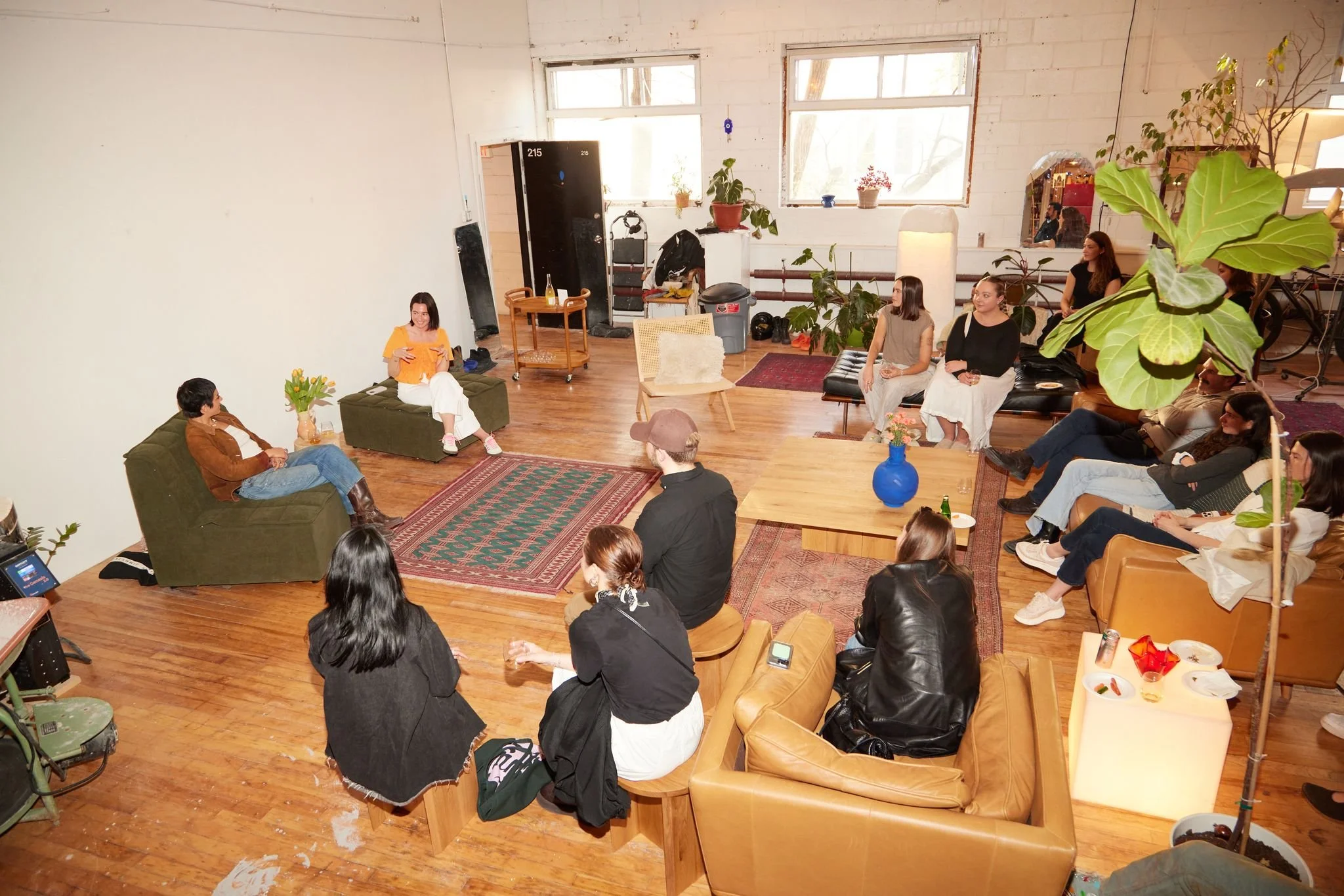
Photograph provided by Rachel Elliot
Why Art Is More Than Decoration
For Rachel, art advising has never felt transactional. “I’ve always felt that art is one of the most revealing ways to get to know someone.”
She grew up in a home where collecting was part of daily life; not formally, but as a way of understanding people, places, and ideas. That early exposure shaped her philosophy.
“Art doesn’t just decorate a space; it shapes how you feel and how you move through your home.”
As designers, we couldn’t agree more. The layout may guide movement. The materials may define texture. But art introduces emotion. It creates pause. It invites curiosity.
Rachel often jokes, “I’m a bit of a matchmaker. Bringing the right artist and collector together so the work can become part of someone’s daily life in a lasting way.”
That matchmaking is where art begins to elevate design into something deeply personal.
The Art Advising Process: Seamless and Thoughtful
For clients new to art advising, the process can feel intimidating. Rachel’s approach is intentionally the opposite.
“It’s an open conversation, transparent and overall should be easy for my client. We’re usually in constant conversation and I’m taking care of the logistics so it’s really… seamless.”
Behind the scenes, however, there is immense preparation.
“I’m always looking at art; it’s second nature at this point. Wherever I am, visiting exhibitions and studios is just part of how I move through the world.”
Years of research, relationship-building, and due diligence inform every recommendation. “With years of experience and context in mind, I’m constantly filtering what I see so that when I present something to a client, it’s already been thoughtfully vetted.”
That invisible work ensures that when art enters a home, it does so with intention.

Photograph provided by Rachel Elliot
Reading a Room: How Art Complements Design
When Rachel walks into a space for the first time, she starts with feeling.
“The environment is everything. I start by thinking about how the space is meant to function and what the client wants to feel or achieve there—whether it’s calm, energy, reflection, or a sense of gathering. Art should support that intention, not compete with it.”
She studies architecture, natural light, textures, scale, and proportion. These cues guide decisions around size, medium, and presence. For interior designers, this conversation is collaborative.
“I love the symbiotic relationship between art and design… The earlier I am brought in the better.”
We wholeheartedly agree. When art is considered early in the design process, it influences wall proportions, millwork, lighting placement, and even colour selection. The result is cohesive rather than curated at the last minute.

Photograph provided by Rachel Elliot
Helping Clients Discover Their Taste
Many clients say, “I don’t know anything about art.” Rachel sees this as an opportunity.
“I often find that people know what they don’t like before they know what they do.” Her first proposal often includes a range of styles and moods so clients can react. “That process of seeing and responding is how preferences begin to take shape.”
Exposure is key.
“Outliers are important—you don’t know what you like if you’ve never been exposed to it.” Rather than changing someone’s taste, she refines it. “It’s less about changing their taste and more about sharpening it.”
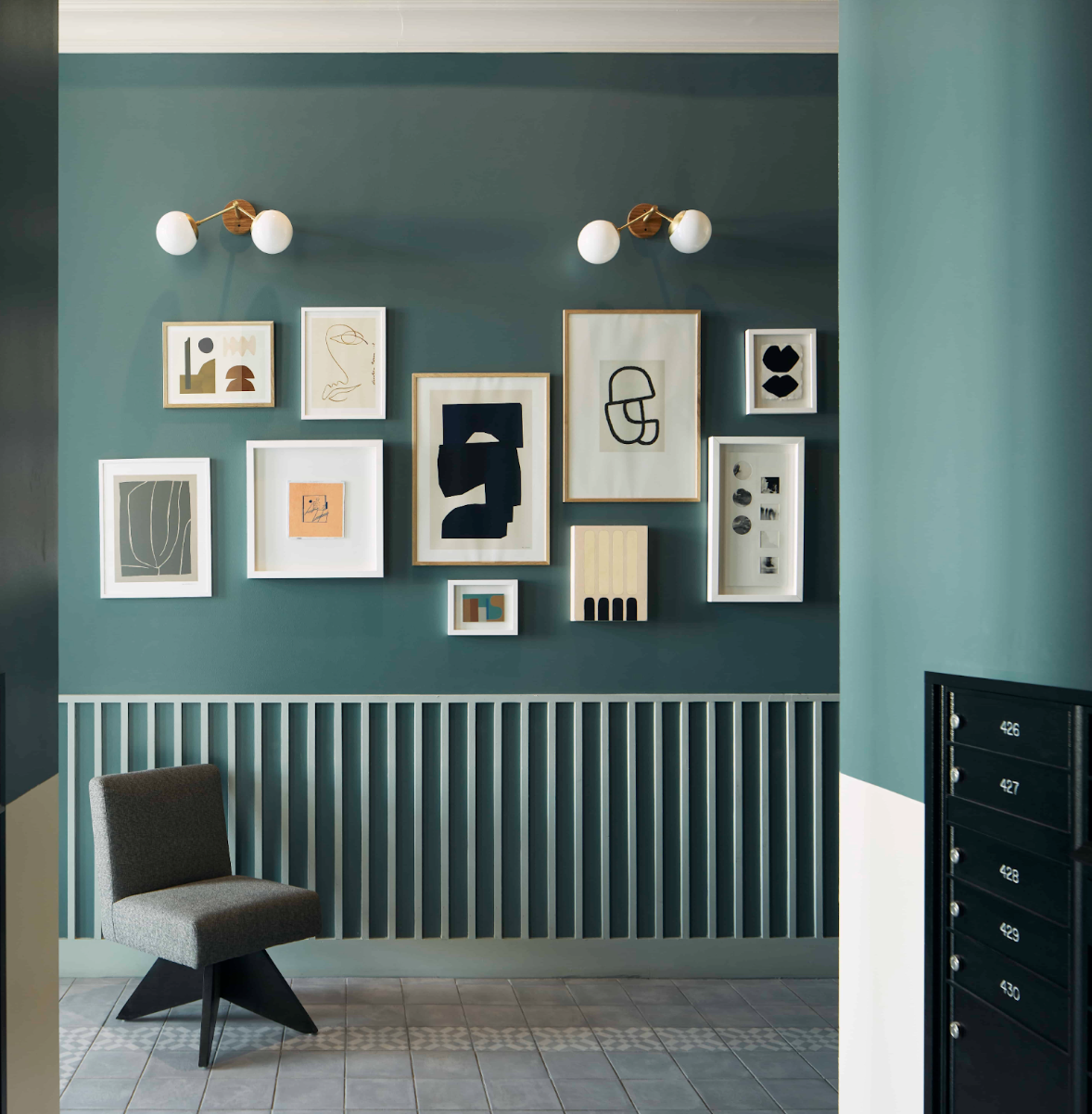
The Alabama project | Stephanie Kaslow Design | Artwork Curation by Rachel Elliot
Budget, Value, and the Biggest Misconception
There’s often a misconception that working with an art advisor is unattainable. “That they can’t afford it or they can do a better job themselves.” Her response is grounded and practical. “My goal is to add structure around the collecting process and keep it as transparent + streamlined as possible. My pricing for collectors is really accessible.”
When it comes to value, she keeps it simple.
“It continues to bring you joy or challenges you every day you wake up and see it in your home. Sometimes it’s that simple; did it spark joy? Curiosity? Memory?”That emotional return is what makes art “worth it.”
How to Start an Art Collection Without Feeling Overwhelmed
If you’ve ever wondered how to start collecting art for your home, Rachel’s advice is refreshingly reassuring. “Start small and start with what you genuinely connect to.” It could be a ceramic bowl, a photograph, a work on paper, or a print from your travels. “It doesn’t have to be a major statement piece from a commercial gallery to ‘count.’”
In fact, most people are already collecting. They just haven’t reframed it that way yet. “From there, it’s simply about becoming more intentional with each next piece.”
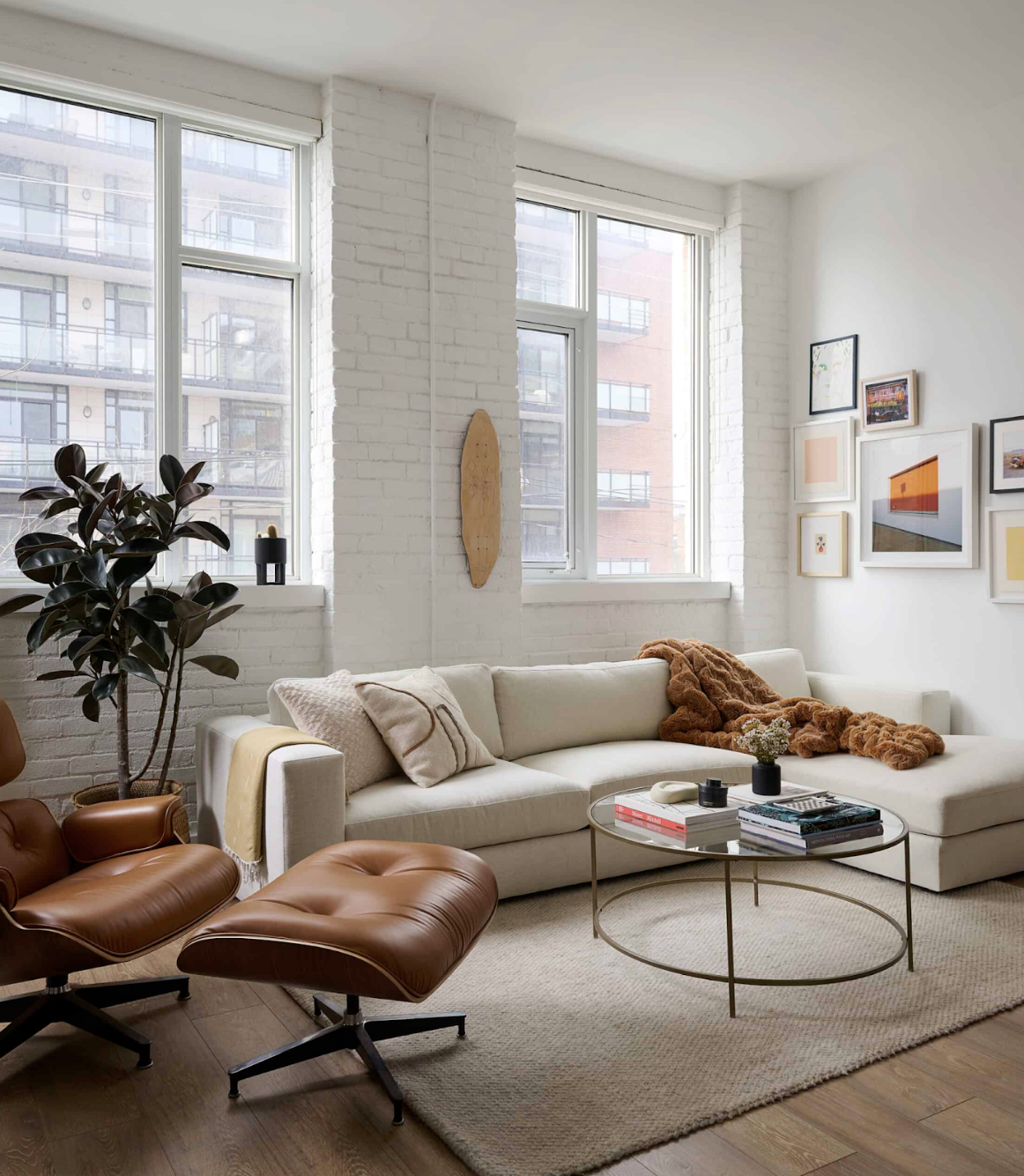
Artwork Curation by Rachel Elliot
Looking Ahead: The Future of Art Advising
The art world is shifting.
“We’ve already seen a huge shift; greater online accessibility, more independent artists shaping their own paths… The landscape feels much less centralized than it once did.”
With that change, art advising becomes less about exclusivity and more about trust.
“Clients don’t need someone to ‘unlock’ the art world anymore. They want guidance, context, and a trusted perspective.”Rachel is especially passionate about supporting Canadian contemporary art. “We have so many incredible artists here… I’d love to see stronger stewardship at home.”
+ Breaking the “Rules”
We couldn’t resist asking about design rules she’s happy to break.
“I love small artwork in big spaces.” It perfectly reflects her philosophy: collect what you love. “It doesn’t have to be perfect, it just has to stimulate you and grow with you.”
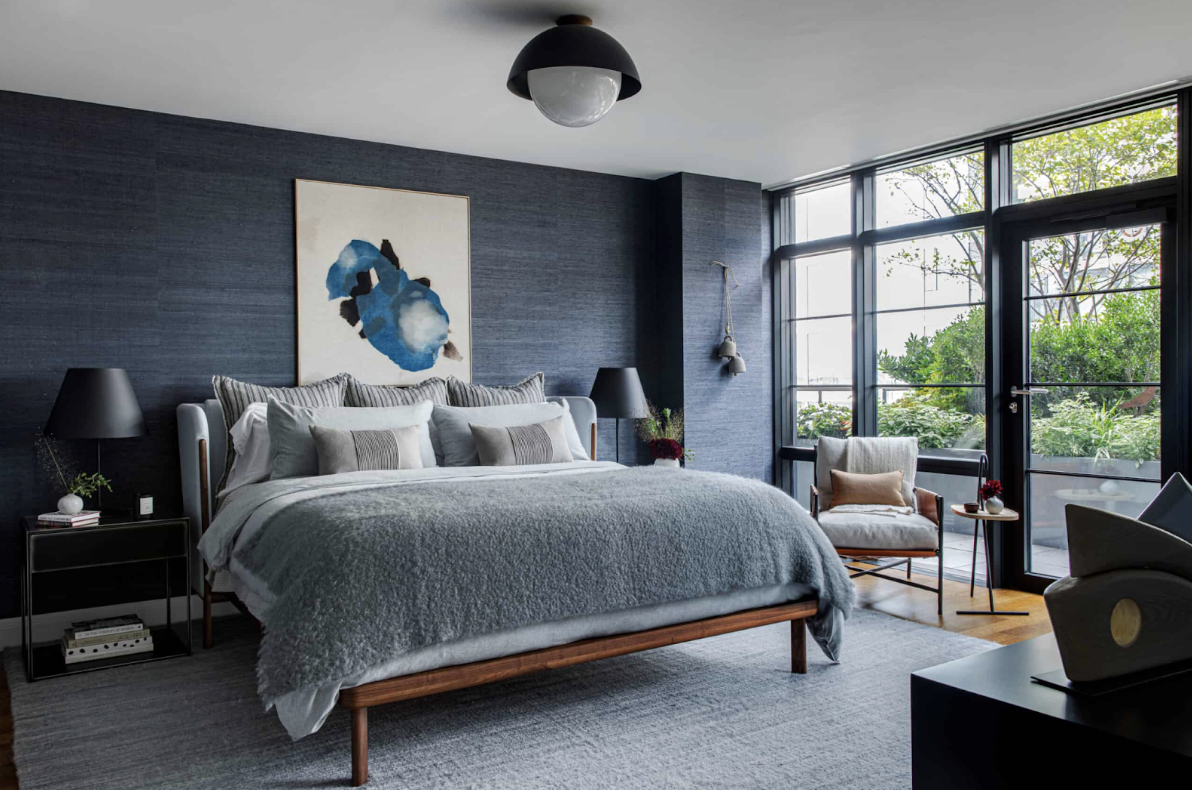
The West Village project | Becky Shea Design | Artwork Curation by Rachel Elliot
Final Thoughts: Designing With Art At The Center
As designers, we believe art should never be an afterthought. It’s not something to add once the furniture is installed. It’s something to consider from the very beginning. Art shapes mood. It reflects identity. It tells a story. And as Rachel reminds us, it doesn’t have to feel intimidating.
Collect what moves you. Stay curious. Build relationships. Let your home evolve with you. Because when art is chosen thoughtfully, it doesn’t just complete a room. It transforms how you live within it.
Click below to schedule your consultation, and let’s bring a little more purpose and intention into your home.
