
Blending Design Styles for Couples: How Transitional Design Creates a Cohesive Home
A thoughtful approach to bridging different tastes while designing a space that feels intentional, calm, and deeply personal.
Designing a home together often means navigating different tastes, preferences, and ways of living. One partner may lean modern, the other more classic. The challenge isn’t choosing one style over the other, but finding a way for both to exist beautifully. Transitional design offers a thoughtful solution, blending traditional and modern elements into spaces that feel cohesive, intentional, and deeply personal. One of you gravitates toward clean lines and modern finishes. The other loves warmth, character, and timeless details. And suddenly, you’re asking the same question we hear all the time in the studio:
How do we create a home that feels like both of us?
This is where transitional design quietly shines.
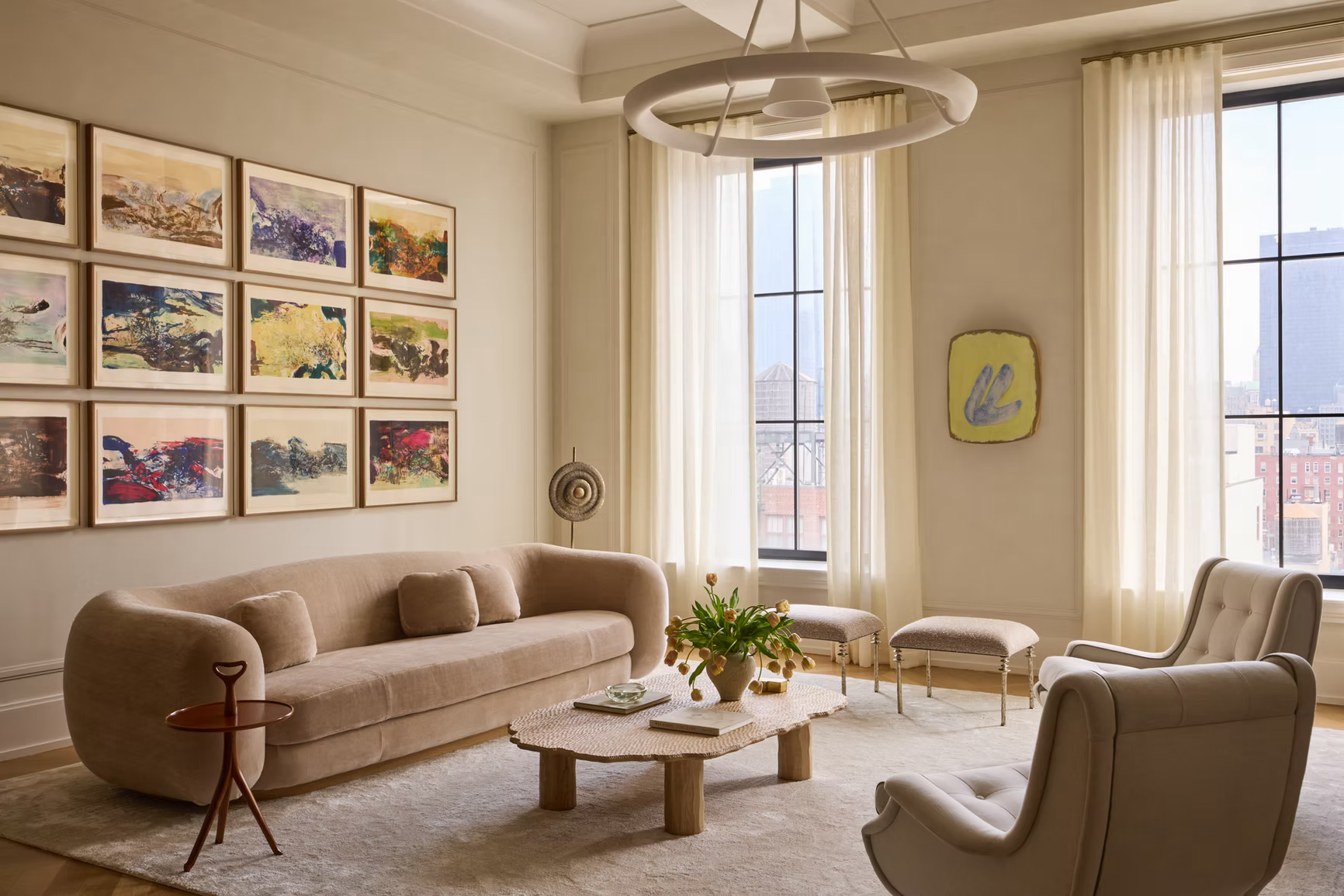
Designed by Emily Del Bello Interiors | Photograph by Nicole Franzen
Why Design Differences Are More Common Than You Think
Different design tastes are incredibly common, and honestly, they’re not a problem to solve. They’re an opportunity. When two people bring different perspectives into a space, the result can be far more layered and interesting than a home built around a single point of view.
The challenge isn’t choosing one style over the other. It’s making sure the home doesn’t feel like two ideas competing for attention. A well-designed space should feel cohesive, calm, and intentional. Not like a compromise, and definitely not like one person’s taste won.
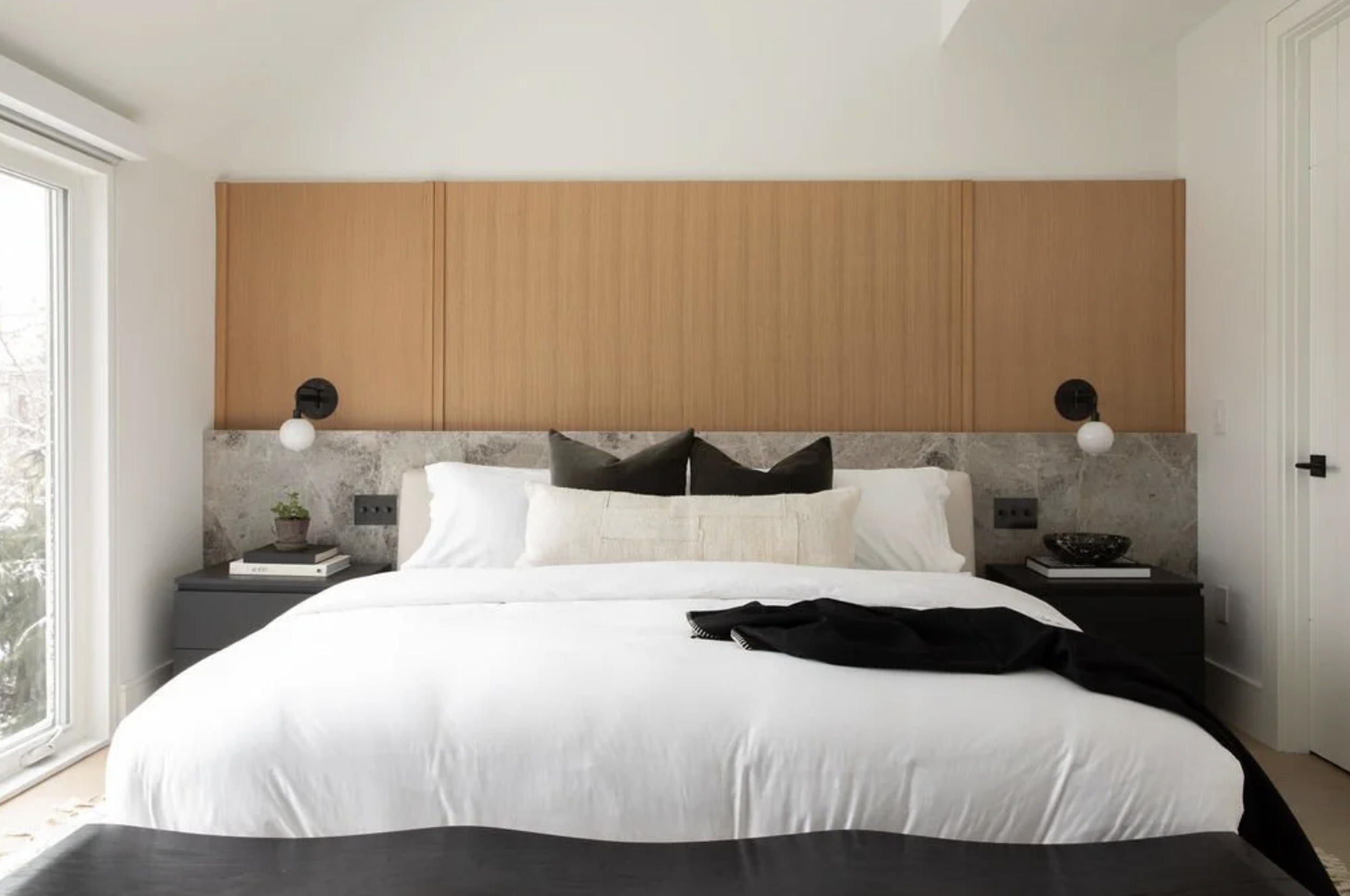
Designed by Westgrove
Transitional Design as a Bridge
Transitional design sits comfortably between classic and modern. It blends the warmth and familiarity of traditional elements with the simplicity and restraint of contemporary design. Rather than committing fully to one style, it focuses on balance, proportion, and materiality.
In transitional interiors, clean lines are softened with texture. Timeless silhouettes are paired with modern finishes. Nothing feels overly styled, and nothing feels stuck in the past. The result is a home that feels grounded, current, and easy to live in.
For couples with different design preferences, this approach offers flexibility without forcing compromise. Both styles are present, but neither dominates.
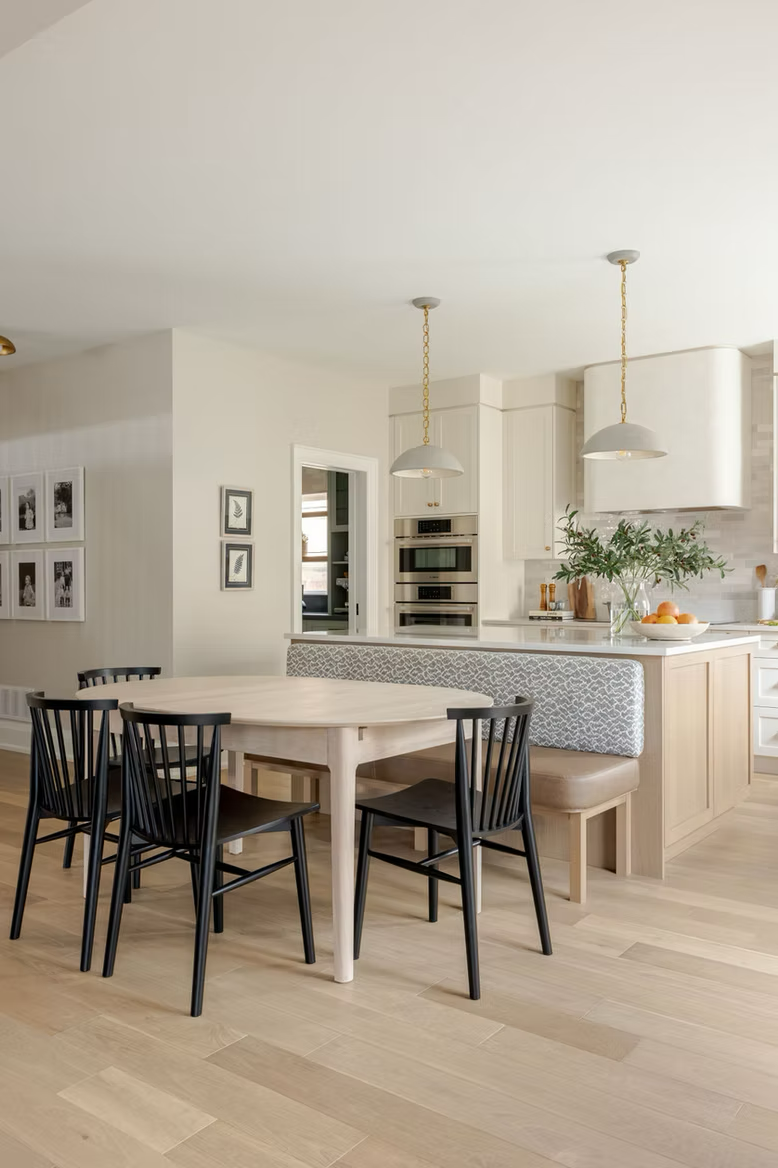
Design by Sprague Interiors
How Transitional Spaces Feel Collected, Not Conflicted
At its core, transitional design is about connection. Instead of matching everything perfectly, it allows pieces to complement one another naturally.
That might look like classic forms paired with contemporary materials, or a neutral palette layered with texture and contrast. It’s a mix of old and new that feels thoughtful rather than curated, as though the home has evolved over time.
When done well, transitional spaces don’t announce themselves. They simply feel right.
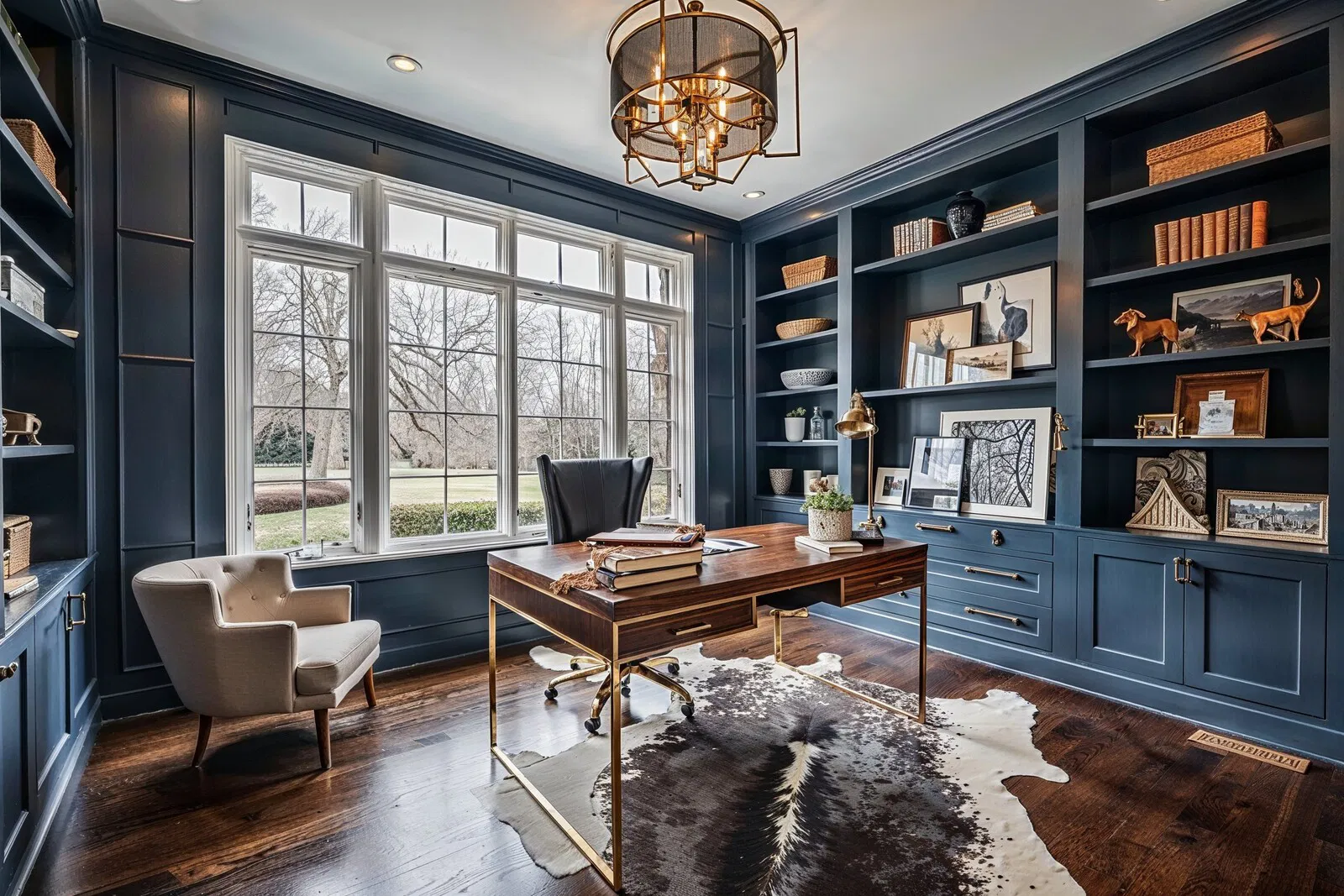
Design by Decorilla
A Real Home, A Real Balance: The West Kelowna Project
Our West Kelowna project is a beautiful example of how transitional design can bridge two distinct styles within one shared space.
The homeowners came to us with different preferences. One leaned toward a cleaner, more modern aesthetic, while the other was drawn to warmth, texture, and softness. Rather than forcing a compromise, we focused on finding moments where both styles could exist naturally, sometimes within a single architectural element.
The updated curved fireplace wall became a perfect expression of this balance. We softened the space by introducing gentle curves and finishing the wall in a limewash, adding depth and texture without visual heaviness. A simple wood floating shelf brought warmth, while modern wall sconces added structure and quiet contrast. The existing modern fireplace tile surround was intentionally kept, grounding the space and honouring the home’s contemporary foundation.
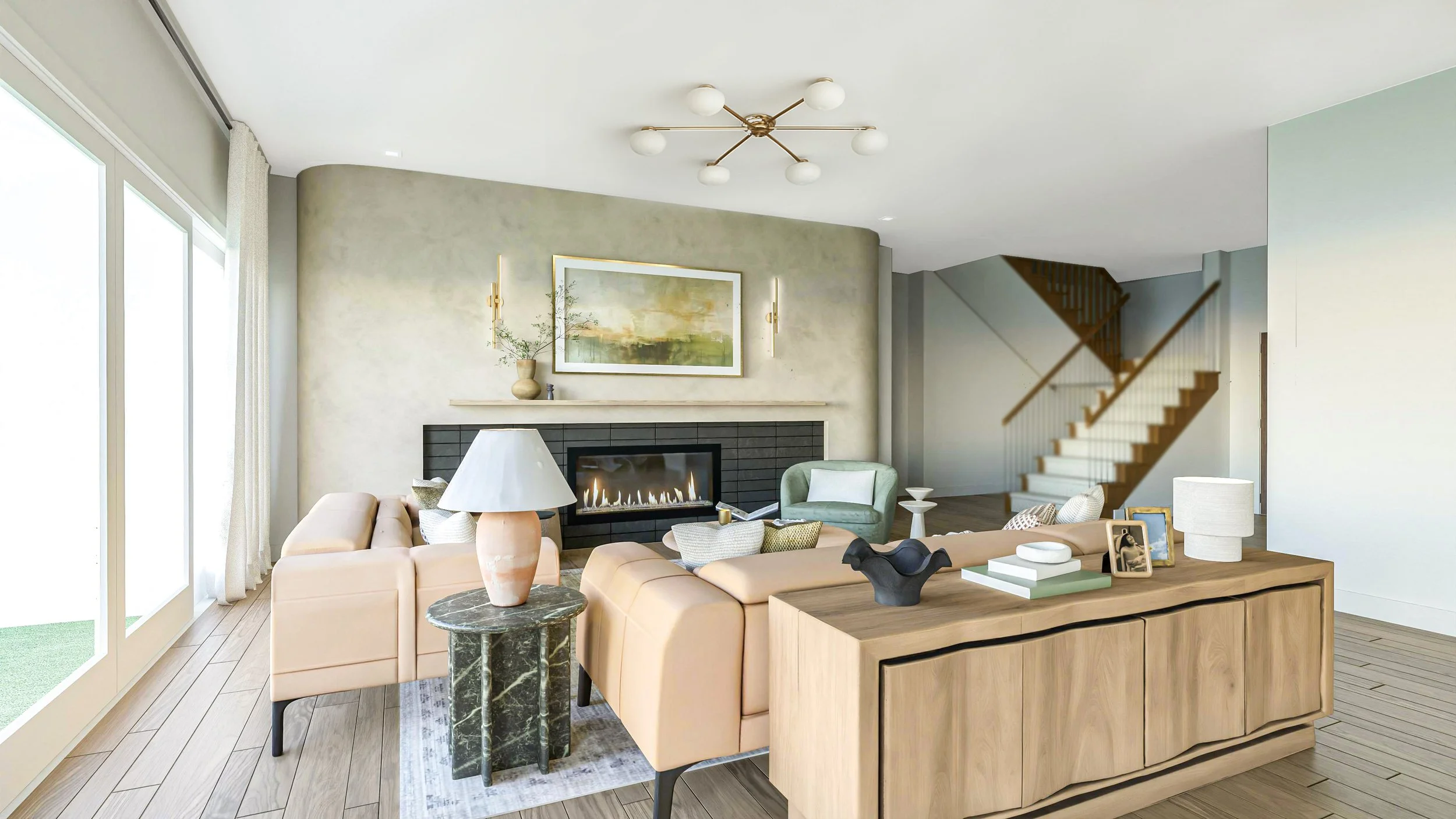
Design by Ariane Design Co | Renderings by Jeannine Graham
This layered approach allowed both perspectives to coexist seamlessly. The result feels calm and cohesive, modern without being stark, warm without feeling traditional. It’s a space shaped by restraint, material honesty, and thoughtful decisions, and one that feels deeply personal to the people who live there.
If you’re curious to see how this approach comes to life, our West Kelowna project is a beautiful example of transitional design in action. Designed for a couple with different style preferences, the home balances warmth and structure, modern simplicity and timeless detail, creating a space that feels cohesive, calm, and deeply personal.
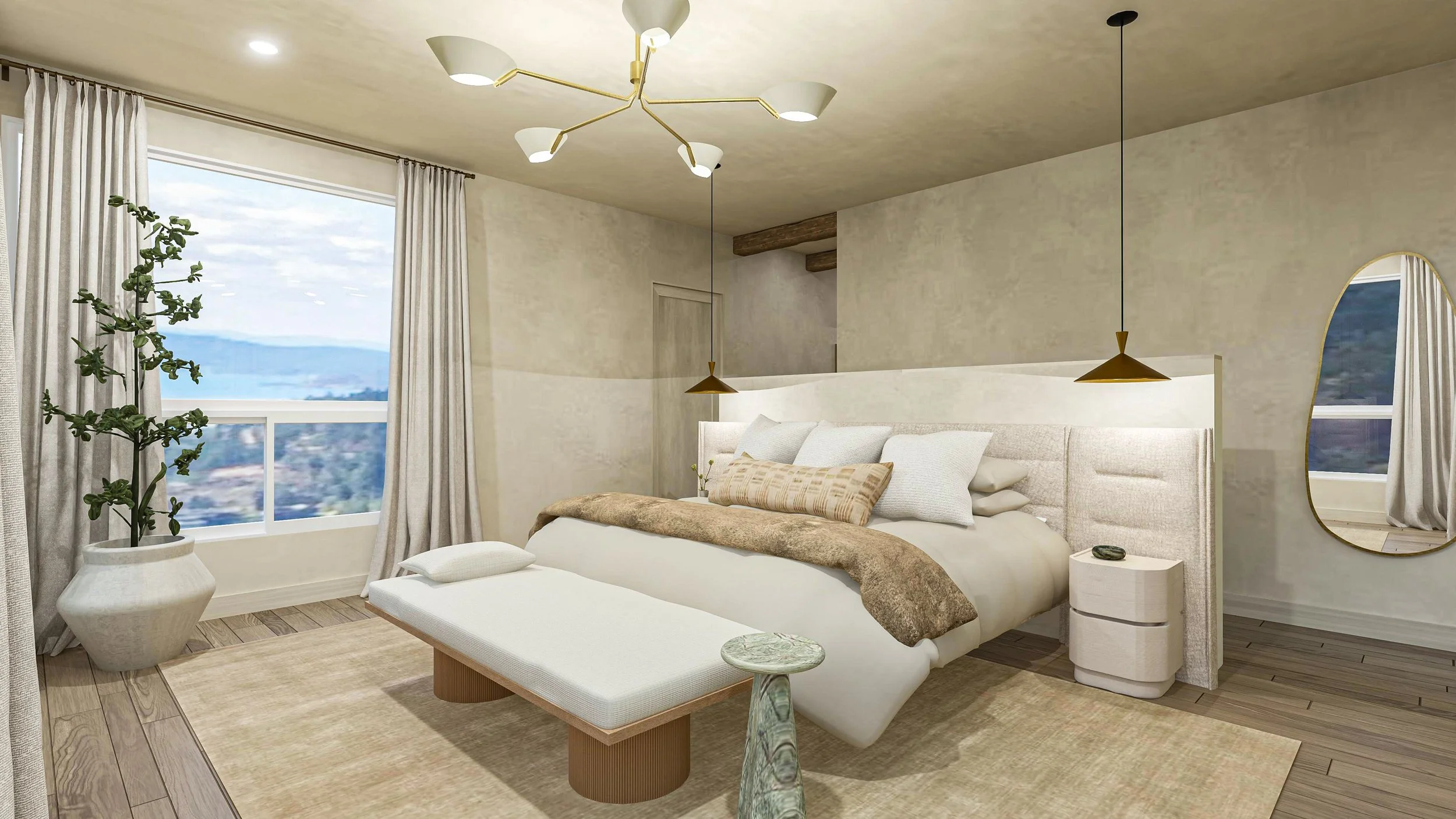
Design by Ariane Design Co | Renderings by Jeannine Graham
Final Thoughts
If you and your partner don’t share the same design style, you’re not behind. You’re exactly where some of the most interesting homes begin. Transitional design offers a way forward that feels thoughtful, flexible, and timeless.
Because the best spaces aren’t defined by trends or labels. They’re defined by how they make you feel when you walk through the door.
Click below to schedule your consultation, and let’s bring a little more comfort, purpose and intention into your home.
