
How to Choose Materials That Age Beautifully (Not Just Look Good Today)
When designing a home, it’s easy to focus on what looks good at the moment. A trending tile, a popular paint colour, a finish you’ve seen repeated across social media.
But the spaces that truly stand the test of time are not built on trends. They’re built on materials. The ones that age well, feel honest, and quietly improve with time.
Because material choices aren’t just visual decisions. They shape how a space feels, how it functions, and how it evolves with you. Components that make your space feel like a home without being overwhelming and trendy.
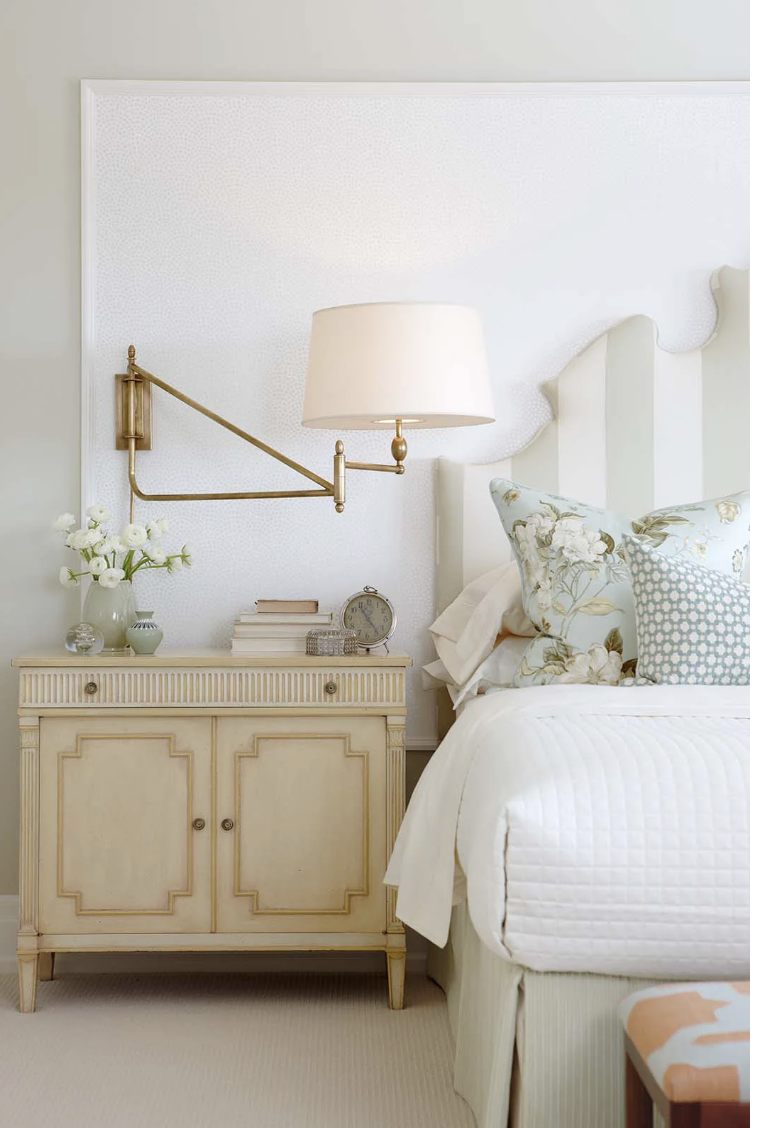
Designed by Sarah Richardson Design
Why Material Selection Matters More Than You Think
Rachel’s journey began in New York, working at Uprise Art under her mentor, Tze Chun. That experience shaped how Materials are often the foundation of a well-designed space. They influence not just the aesthetic, but the experience of being in the room.
The way light moves across a surface.
The way a finish softens with use.
The way textures layer together to create warmth and depth.
A beautiful home isn’t just seen; it’s felt. And that feeling is often rooted in the materials you choose and are unique to you.
When we approach material selection thoughtfully, we’re not designing for a moment. We’re designing for years of living, gathering, and change.
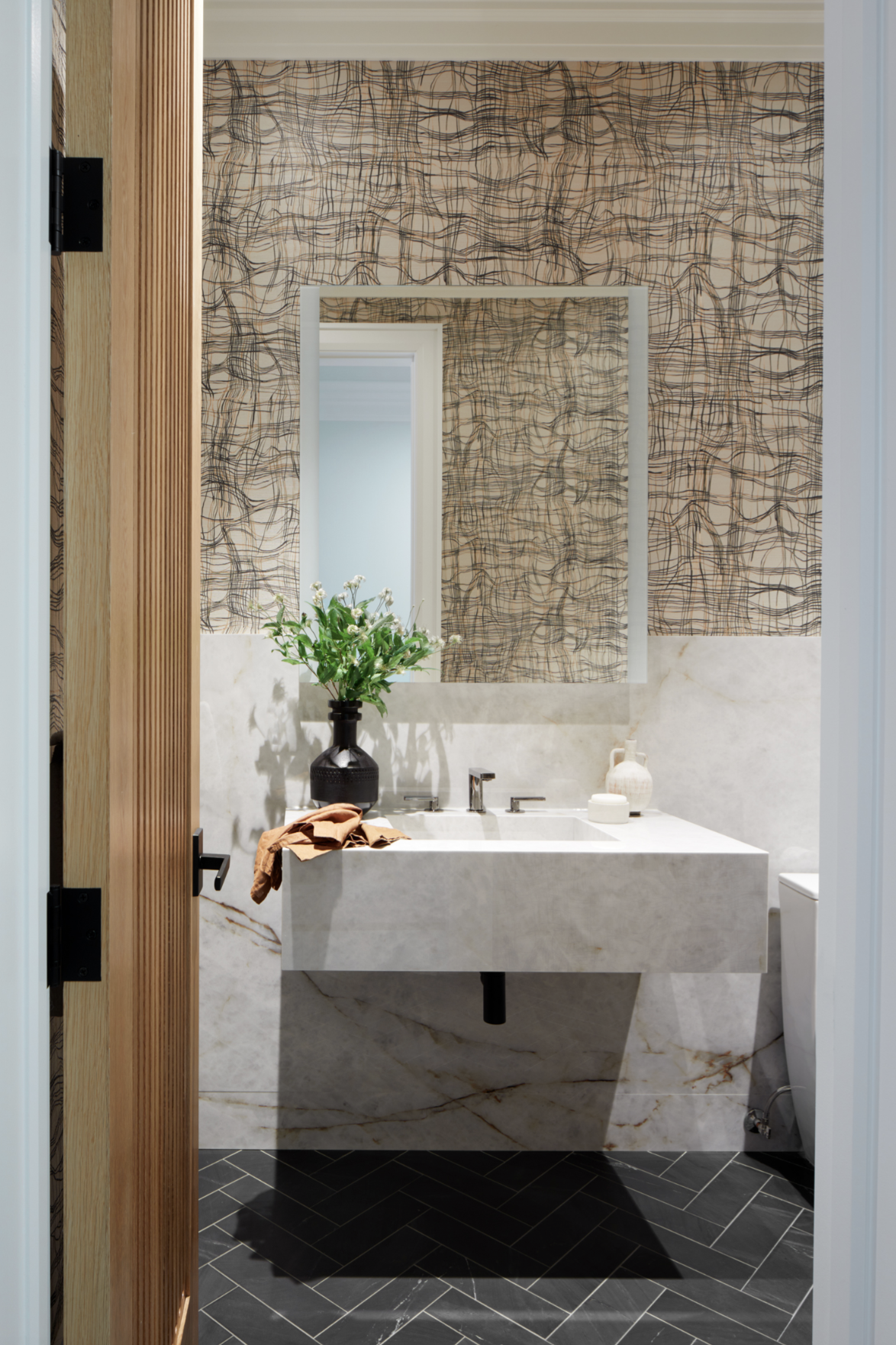
Moving
Beyond Trends
Trends can be helpful as a starting point, but they shouldn’t lead the entire conversation. A finish that feels exciting today can feel dated much sooner than expected; especially if it was chosen without context.
Instead, we often guide clients to ask:
+ Does this material feel aligned with how I want my home to feel?
+ Will I still connect with it a few years from now?
+ Does it complement the overall tone of the space?
Timeless material selection is less about avoiding trends entirely and more about filtering them. Keeping what resonates, and letting go of what doesn’t.
Design by Gillian Gillies Interiors
What Makes a Material Age Beautifully
Some materials wear out, while others develop character over time, like wood, brass, natural stone, linen, and leather. They becoming richer, softer, and more nuanced with age.
Materials that age beautifully tend to have a few things in common:
+ They show variation
Natural materials like wood, stone, and linen often have subtle inconsistencies. These variations add depth and allow the material to evolve gracefully over time.
+ They respond to use
Patina isn’t a flaw; it’s a story. It becomes the narrative of your home, the one material that can showcase time and use. Surfaces that soften, darken, or gain texture with use often feel more lived-in and more meaningful.
+They feel grounded, not overly processed
Materials that feel too polished or artificial can lose their appeal quickly. Those with a more natural, tactile quality tend to feel more enduring. It is the mix of materials that adds layers and intention to the spaces we live in.
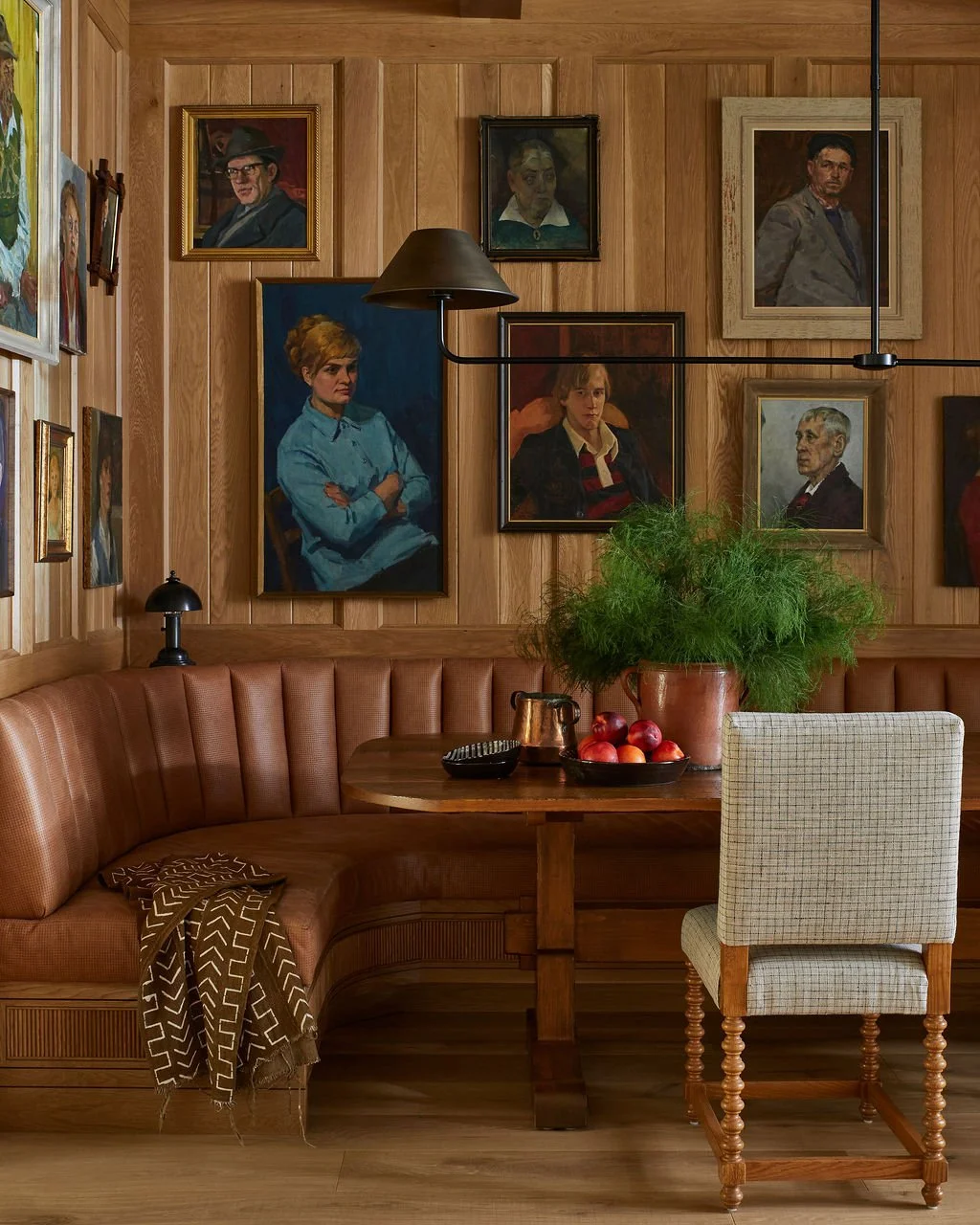
Design by DART Studio | Photograph by Niamh Barry
The Role of Texture and Tactility
When colour is kept soft and restrained, texture becomes the quiet anchor of a space.
This is where thoughtful layering comes in.
Think of:
The contrast between smooth stone and soft upholstery
Matte finishes paired with a subtle sheen
Warm wood tones balanced with cooler materials
These combinations create depth without overwhelming the space. They allow the room to feel rich, even within a neutral palette.
Tactility is what makes a space feel comfortable. It’s what draws you in and invites you to stay.
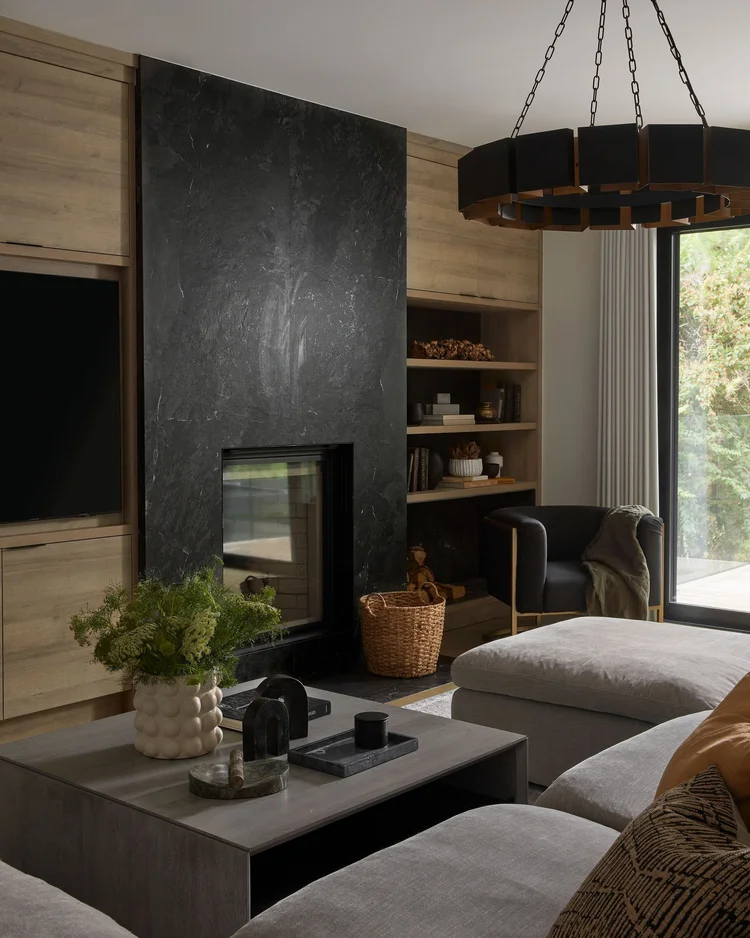
Designed by Parris McKenna Design
Balancing Longevity With Budget
Choosing materials that age well doesn’t always mean choosing the most expensive option. It means being intentional about where you invest.
We guide clients to prioritize materials in areas that see the most use:
Flooring
Countertops
Upholstery
High-touch surfaces
In other areas, you can be more flexible. Introducing personality through pieces that are easier to update over time. It’s about balance. Investing where it matters, while allowing space for evolution.
How Designers Approach Material Layering
Material layering is where everything begins to come together. Instead of choosing each finish in isolation, we look at how they interact:
How warm tones balance cooler ones
How textures shift across a space
How light affects each surface throughout the day
This approach creates cohesion. It ensures that nothing feels disconnected or overly styled.
The goal isn’t perfection. It’s harmony, intention and functionality.
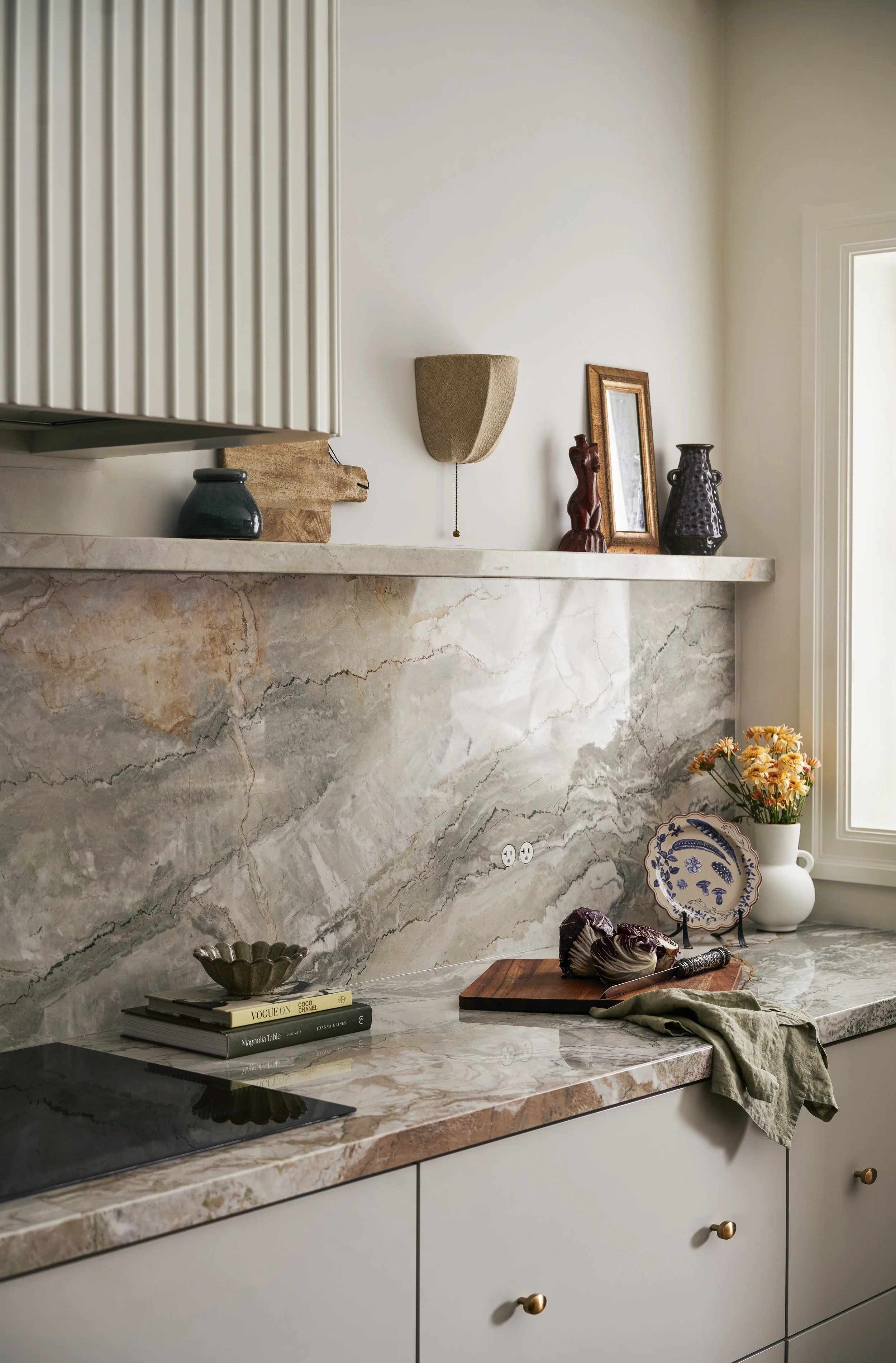
Designed by Nunu Interior Design
Designing for How You Want to Live
At the end of the day, the materials you use should support your lifestyle.
A home that looks beautiful but feels fragile or difficult to maintain won’t serve you long term. The best material choices are the ones that feel effortless; easy to live with, easy to care for, and aligned with your daily routines. When design begins with how you want to live, the decisions become clearer. And the result feels more personal.
Because timeless design isn’t about holding onto one moment. It’s about allowing your home to grow with you, layer by layer, season by season.
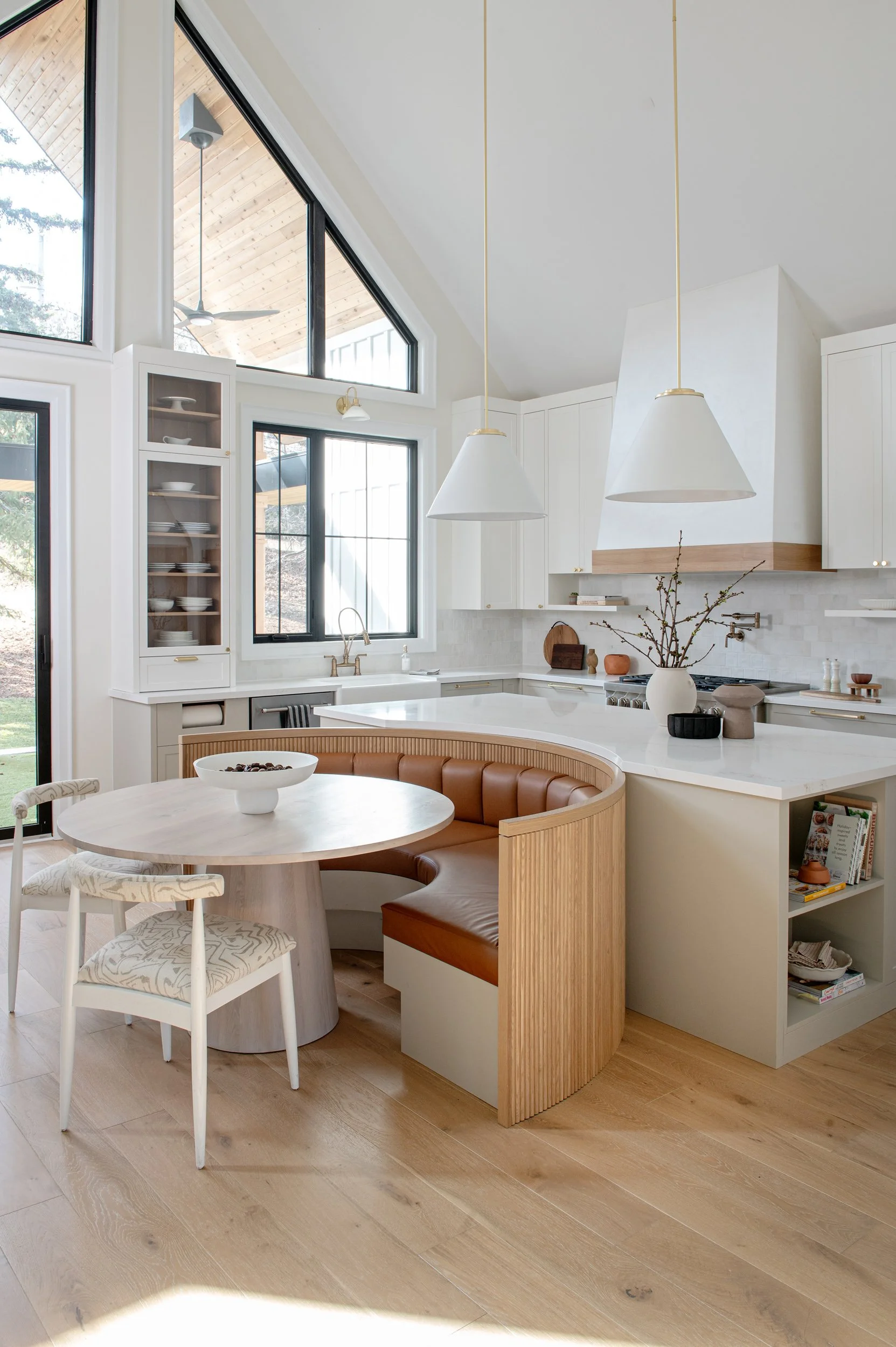
Designed by Kate + Co Design
Ready to Start With Clarity?
If you’re in the early stages of a project and want guidance on selecting materials that feel both timeless and personal, a design consultation is a great place to begin.
We’ll help you create a clear, thoughtful direction and functional design. This makes every decision feel grounded and intentional from the start.
